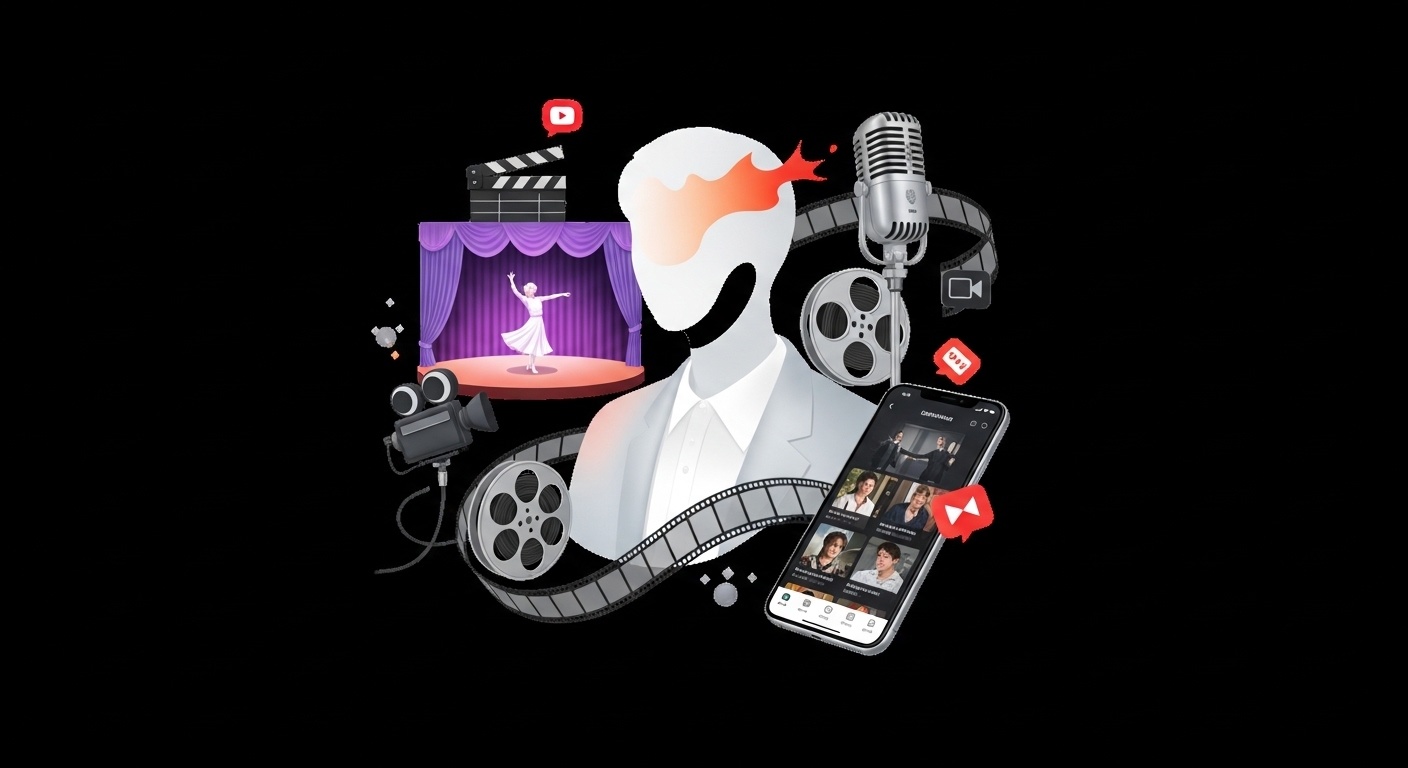
Creators, once primarily confined to digital platforms like YouTube and TikTok, are now breaking traditional media barriers and vastly expanding their influence. Noteworthy examples include Park Geon-ryeong, the child star of Pinkfong's global hit 'Baby Shark,' who has successfully debuted as a K-Pop singer. Similarly, popular YouTuber John Nellis, known for his football content, has transitioned to mainstream television by appearing on the UK's beloved dance competition, 'Strictly Come Dancing.' These creators are not only broadening their reach into traditional entertainment sectors but are also forging new business models, spearheading significant changes across the cultural and entertainment industries.
Creators Expand Reach into Traditional Media
Park Geon-ryeong, who rose to global fame as the child star in the 'Baby Shark' video, has officially debuted as a K-Pop singer at age 17, releasing a single with support from Pinkfong. This marks a significant example of a digital content celebrity successfully entering the traditional idol market. Similarly, John Nellis, a YouTuber renowned for his football-related content, has expanded his presence to mainstream television, having been cast in the popular British dance competition 'Strictly Come Dancing.'
The expansion of creator-produced content onto Over-The-Top (OTT) platforms is evident, with TikTok star Alix Earle slated to release 'Earle Meets World,' a documentary series about her life, on Netflix. Additionally, the adult animation 'Monkey Wrench,' also created by a creator, is joining the Netflix lineup. In the music industry, YouTuber Ms. Rachel, who boasts millions of subscribers for her educational content, launched her debut album 'I'm So Happy.' Children's influencer Like Nastya has also seen success on music charts, underscoring the growing influence of creators within the music market.
Platforms and Brands Strengthen Creator Partnerships
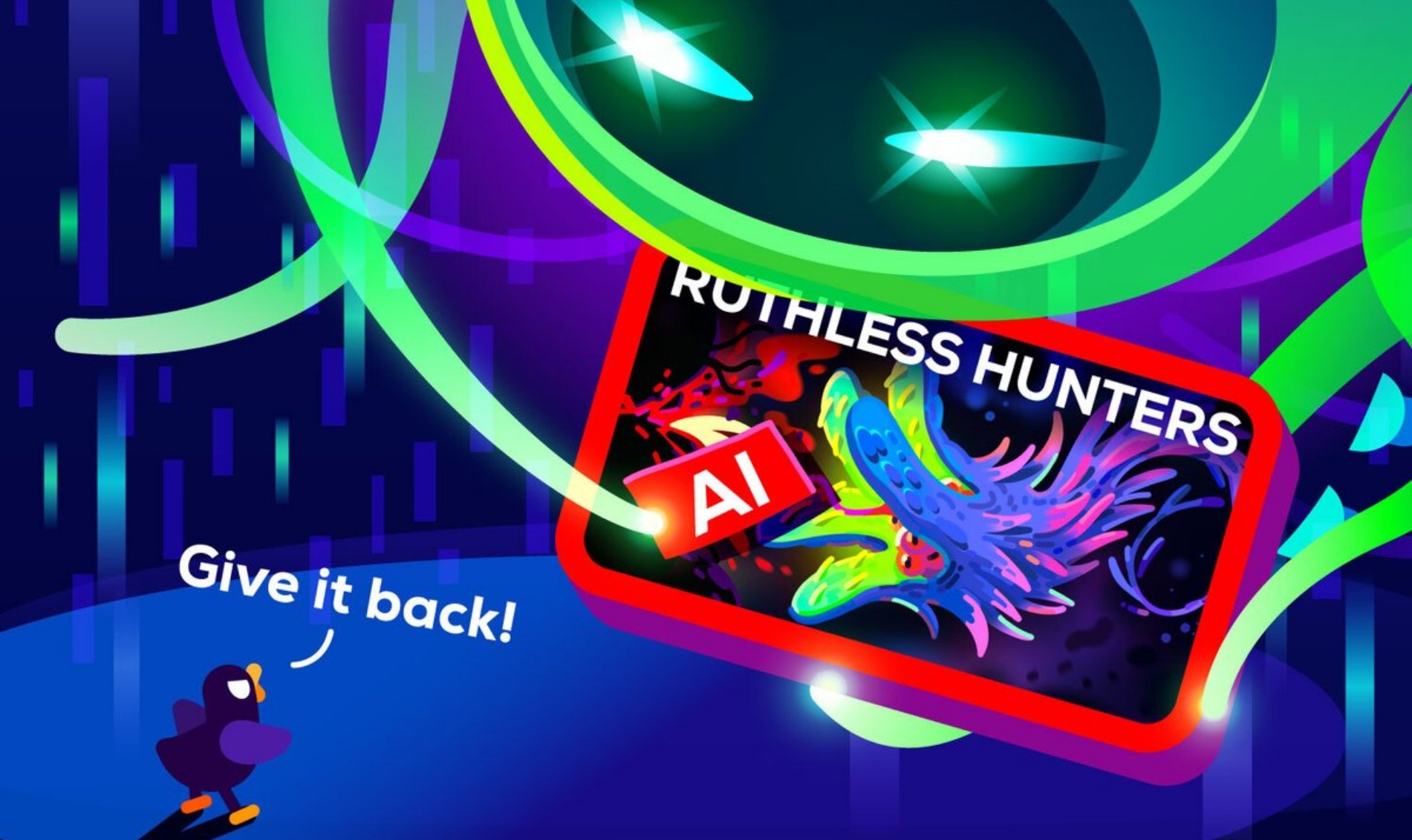
Platforms are actively seeking out new content by fostering collaborations with creators. For instance, ESPN is launching a 'Creator Network' in anticipation of the upcoming Super Bowl season, aiming to deliver fresh perspectives through partnerships with creators. Meanwhile, YouTube recently encountered an issue when its automated system mistakenly flagged content from the animation channel Kurzgesagt as AI-generated. While the problem was subsequently resolved, this incident highlighted the significant impact that platform automation can have on creator content.
Brands across diverse industries are also forging partnerships with creators. Bourbon whiskey giant Jim Beam, for example, has established a dedicated campus in Kentucky to support creators in producing original content, thereby enriching its brand experience. Apparel retailer Aeropostale is collaborating with creators, including TikToker Deja Clarke, to launch creator-driven shows. Game developer CD Projekt Red is similarly broadening its collaborative efforts by initiating programs for creators who leverage their popular intellectual properties (IPs) such as 'The Witcher' and 'Cyberpunk 2077'.
The Evolving Future of the Creator Economy
In this dynamic landscape, creators are extending their influence beyond digital platforms—their traditional stronghold—into mainstream media such as broadcasting, music, and film, thereby shaping popular culture more broadly. Concurrently, platforms and brands are proactively devising new content strategies and enhancing consumer engagement through robust collaborations with creators.
As creators' capabilities solidify as a core driving force throughout the entire content industry, their operational spheres are anticipated to diversify further, and their business models will continue to evolve. This trajectory signals that the creator economy is progressing beyond a fleeting trend, establishing itself as a robust and enduring industrial ecosystem.