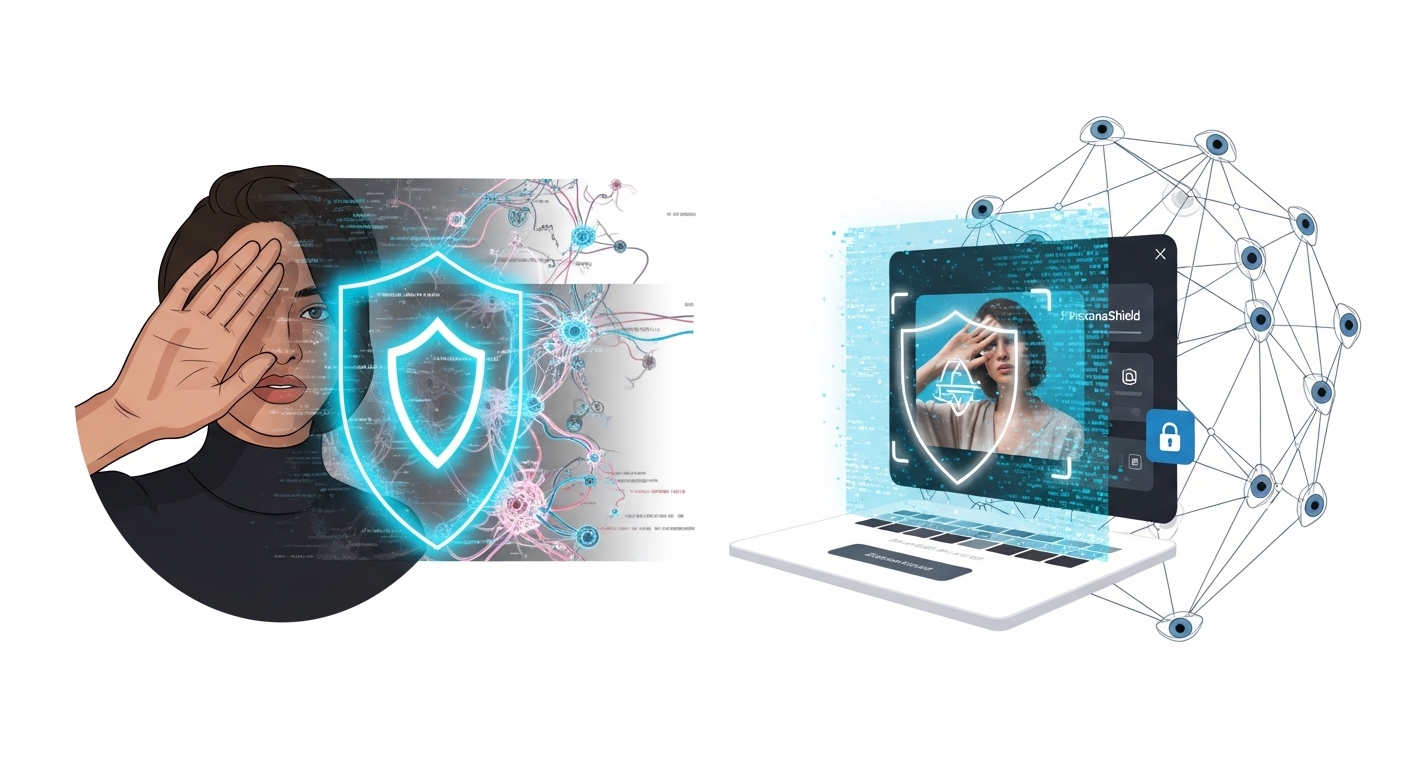
As artificial intelligence (AI) technology advances, the easy creation of sophisticated fake images has led to a significant social issue: the infringement of digital likeness rights for creators and public figures. Amidst this challenge, Philip Shoemaker, former head of the Apple App Store, has launched PersonaShield, an AI-powered likeness governance platform, offering a comprehensive solution that includes unauthorized use monitoring, automated removal, and licensing for revenue generation.
AI Deepfake Images: An Emerging Threat to Creators
The incident in 2023, where an AI-generated image of the Pope in a Balenciaga coat circulated and confused many, highlighted the severity of information distortion caused by AI technology. These increasingly sophisticated AI-generated images go beyond simple defamation; they pose a new threat by causing unexpected contract breaches and financial losses for creators and public figures. For instance, professional skateboarder Bob Burnquist could have faced contract violation disputes due to an AI-generated image of him without sponsor logos, and CZ, the founder of cryptocurrency exchange Binance, suffered deepfake harm with his face being used to promote unauthorized products.
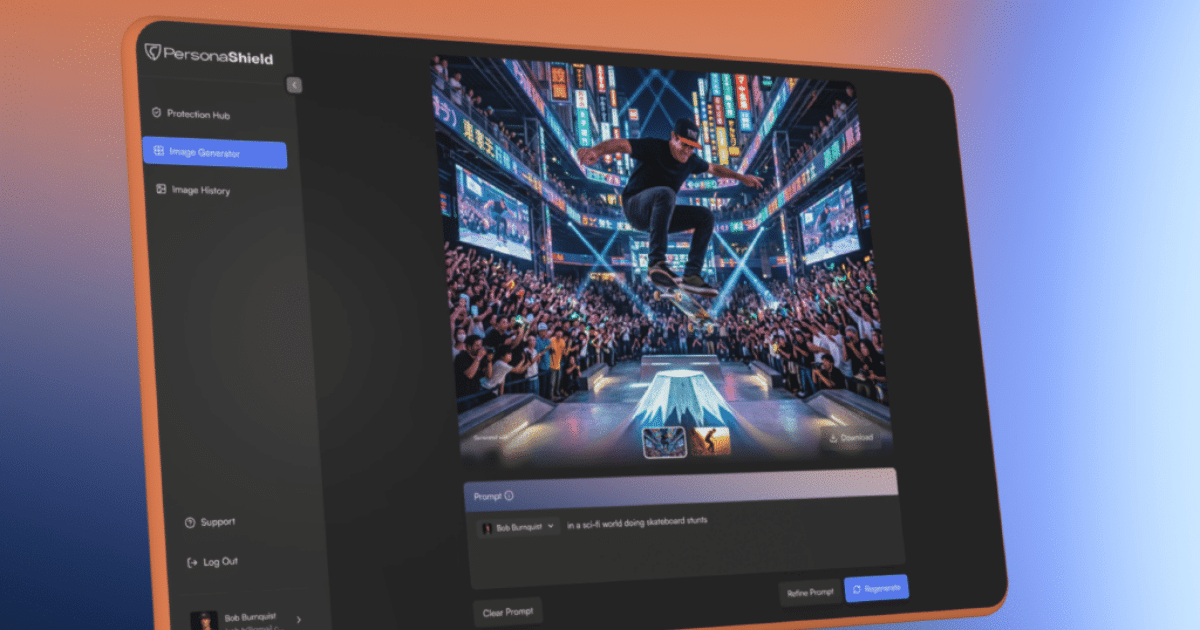
Philip Shoemaker points out that while the cost of generating AI images approaches zero, the burden on affected creators to prove damages remains substantial. In the current absence of effective governance infrastructure for digital likeness rights, this misuse of AI images can directly impact creators' economic activities.

PersonaShield's Likeness Protection System, Built on Apple App Store Experience
Philip Shoemaker, who served as Senior Director of App Store Review at Apple from 2009 to 2016, establishing platform rules, understands the problems of unregulated platforms better than anyone. His experience laid the groundwork for founding 'PersonaShield' to address the unprotected state of digital likeness rights in the AI era. Launched in early 2026, with an official release in June of the same year, PersonaShield helps creators, influencers, and public figures monitor unauthorized AI usage of their likeness, automatically delete infringing images, and earn revenue through licensed AI-generated images.
PersonaShield's protection system allows creators to define unacceptable uses (such as drug-related, violent, sexual content, political association, or unauthorized endorsements) and is customized after identity verification through facial scanning. When a violation occurs, the system provides information via a dashboard, identifying the image and its generator. Shoemaker stated that he applied the lesson learned at Apple—that the entire system must be strengthened to deter a small number of malicious users—to PersonaShield.
Likeness Monetization Model and Future Outlook
PersonaShield also presents a creator-centric monetization model. Consenting creators can upload reference images, allowing fans to generate licensed AI likenesses within a safe framework, with creators receiving 80-85% of the purchase price from these transactions. Shoemaker emphasizes that this model will bring significant change, considering that creators currently receive 'zero' revenue when AI images are generated on other platforms.
Philip Shoemaker analyzes that major social platforms have no incentive to voluntarily build likeness governance because controversial AI content increases engagement. He predicts that technical standards like C2PA (Content Authenticity Initiative) will be the ultimate solution, and in the long term, regulatory pressure will necessitate a personal key connected to all uploaded content. PersonaShield aims to be more than just a defensive tool; it aspires to be an 'ownership infrastructure' for creators to register, manage, and monetize their likeness.
Digital Likeness as an Asset: Potential for New Value Creation
As digital likeness infringement intensifies due to AI technology, PersonaShield provides creators with an opportunity to control, protect, and monetize their identity in new ways. This signifies a paradigm shift, moving beyond merely preventing unauthorized use to recognizing and managing a creator's likeness as an independent digital asset.
The emergence of PersonaShield is expected to be a crucial answer to the ethical, legal, and economic challenges faced by the creator economy in the AI era. Through it, creators can establish sovereignty over their digital presence, be protected from indiscriminate AI misuse, and explore new models for fan interaction and revenue generation.