Vivian Gomez, co-founder of Scoop, asserts that the current influencer marketing industry is unsustainable with its existing methods, emphasizing the urgent need for a new "operating system" powered by agent-based artificial intelligence (AI). Drawing on her 14 years of experience building consumer technology and SaaS platforms, Gomez criticizes traditional marketing platforms for merely combining databases with CRM solutions, failing to drive fundamental change.
Structural Limitations of Existing Influencer Marketing Platforms
Vivian Gomez criticizes most existing influencer marketing platforms for merely digitizing traditional workflows, thus failing to resolve inherent industry inefficiencies. She describes these systems as "databases connected to CRM," arguing that they simply replicate sub-optimal conditions from the past decade into the new environment without true innovation.

A significant hurdle highlighted by Gomez is the process of creator discovery. While platforms offer 18 to 20 filters, they often charge separate fees for profile and contact access, creating initial barriers. This is compounded by the substantial time investment required for manual review. She notes that during brand-agency shortlisting, approximately 80% of recommended creators are rejected due to insufficient justification, underscoring the ongoing inefficiency of current systems.

Scoop's Innovative AI-Driven Approach
Founded in 2025 and launched in June 2026, Scoop is a San Francisco Bay Area-based agent-based AI platform that redefines core influencer marketing processes. Scoop enables brands to discover and verify creators using natural language commands, helping them select creators based on specific criteria (e.g., a particular hairstyle, self-care interests) and content relevance.
Furthermore, Scoop's AI agents deeply evaluate creator profiles through their content, comparing brand and organic post performance to facilitate swift decision-making. In the outreach phase, the AI initiates personalized contact based on a creator's recent content. During content delivery, AI assesses original content against campaign requirements and detects omissions in real-time, streamlining the review process. The system manages the probabilistic nature of AI by autonomously handling decisions with over 90% confidence and flagging those below this threshold for human review.
Rethinking Data Utilization and Organizational Structure
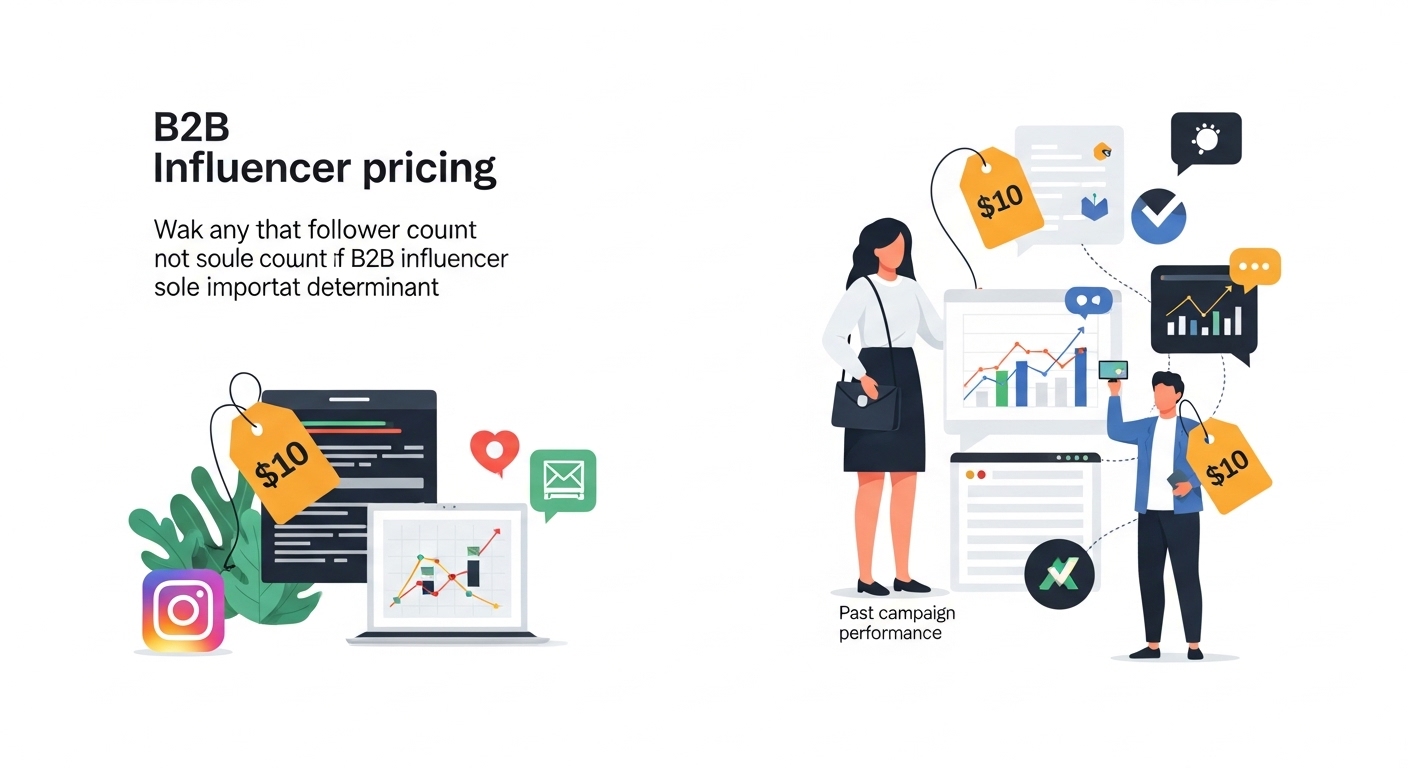
Gomez offers a critical perspective on the reliance of influencer marketing teams on follower data for creator selection. She points out that on platforms like Instagram and TikTok, approximately 85% of content viewers are not followers. This is because platform content distribution has evolved to resemble advertising algorithms, making precise demographic targeting virtually impossible. She contends that over-reliance on follower data represents "the biggest mistake."
Furthermore, Gomez predicts that influencer marketing teams can no longer operate as isolated organizations. As creator content becomes deeply integrated with paid digital advertising and e-commerce, influencer teams must strive to secure allocations from performance marketing budgets rather than functioning as separate cost centers. She forecasts that the influencer marketing market will grow by 40% annually, potentially reaching 20% of the total digital marketing mix within the next decade, emphasizing that fundamental changes to existing systems are essential to support this growth.