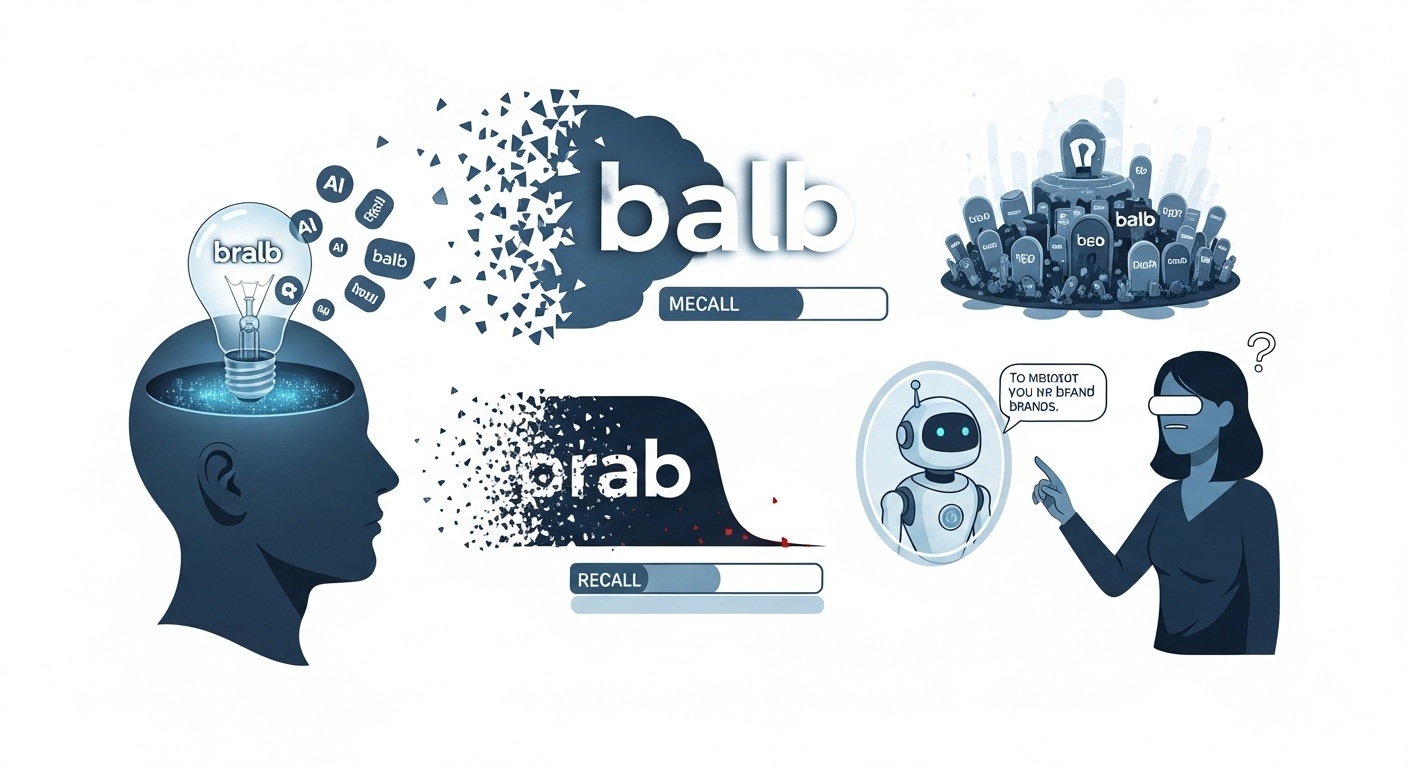
A recent study released by Adobe reveals that consumers quickly forget brands encountered through advertising, and artificial intelligence (AI) chatbots offer limited effectiveness in helping them recall forgotten brands. This finding highlights a significant new challenge for businesses striving to capture and maintain consumer awareness in the digital era.
Consumer Advertising Forgetfulness and AI's Limitations
An Adobe survey of 1,002 U.S. consumers found that only 17% could accurately recall the names of three advertisements they had recently seen within 24 hours of viewing them. This highlights consumers' tendency to retain ad messages for a very brief period. Interestingly, when failing to recall a brand, 48% of consumers indicated they would simply wait for another advertisement to reappear.
While 31% of consumers reported using AI chatbots to search for forgotten brands, only about half of this group believed AI accurately identified the correct brand more than 50% of the time. Interestingly, Gen Z consumers showed a 23% higher AI chatbot usage rate than other age groups, and male consumers used them 29% more often than female consumers. This data suggests that AI chatbots are not yet effectively addressing consumers' brand recall challenges.
Factors Influencing Brand Memory
The leading reason consumers forget advertisements was identified as 'lack of relevance' (71%), followed by 'clickbait or misleading content' (56%), and 'lack of trust' (55%). The study also found that brand name complexity plays a role in recall; 44% of respondents struggled to remember names with three or more syllables, and 29% found uniquely spelled names difficult.
Many respondents indicated that for an advertisement to be memorable, it needed to be seen at least four times within a 24-hour period. Key characteristics for memorable ads included 'humor and entertainment value' (56%), with 'excessive exposure' also cited as important by 43%. Regarding format, short-form video ads (52%) were more easily recalled than static images (30%) or long videos (27%). YouTube (46%) and cable/streaming TV (40%) emerged as the top platforms for creating lasting brand impressions. Gen Z, in particular, showed a significantly higher susceptibility to TikTok (115% more) and influencer recommendations (111% more) compared to other generations.
Strategies for Reconnecting with Forgotten Brands and Their Implications
Adobe's analysis indicated that specific incentives, rather than repeated exposure, are more effective in prompting consumers to reconnect with forgotten brands. Price drop alerts (54%), specific discount codes (52%), and free shipping (41%) were identified as key re-engagement tools. Interestingly, Millennials showed a greater preference for discount codes over price notifications, distinguishing them from other generations.
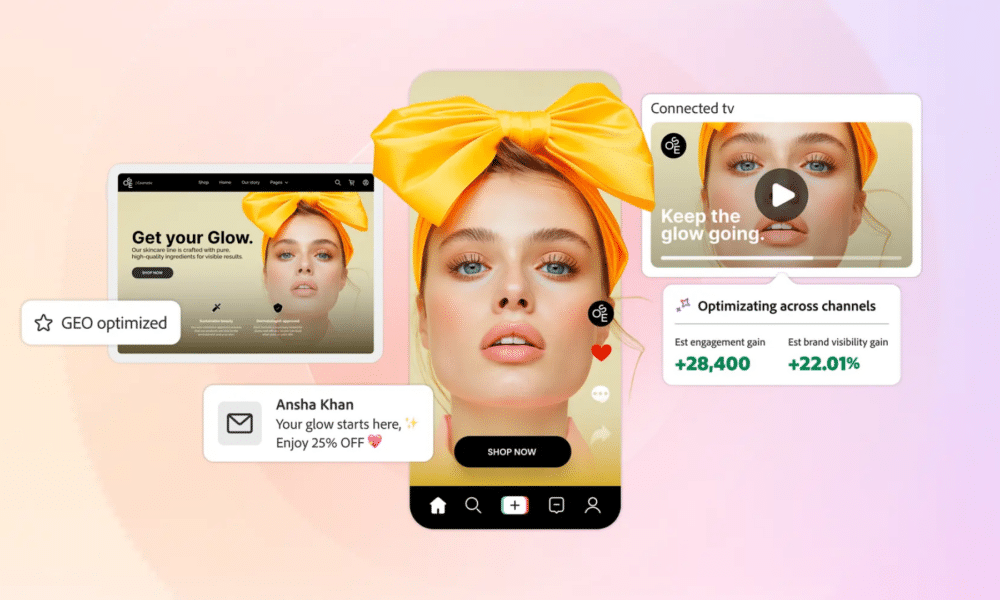
Based on these findings, Adobe suggests addressing the 'citability' challenge by improving the structured information that AI systems rely on. This concept is termed 'Generative Engine Optimization (GEO),' which stresses the importance of optimizing information structures to ensure brands are more easily discovered and remembered within AI search environments.
Strategic Approaches for Future Marketing
This study underscores the critical need for brands to move beyond simple exposure frequency and instead offer consumers meaningful and trustworthy content. Given consumers' brief memory spans, it's essential to boost ad relevance and engagement. Simultaneously, in the age of AI, optimizing information structures is vital to facilitate the rediscovery of forgotten brands. Moreover, developing customized strategies that account for generational characteristics and platform preferences is imperative.