
Italy's influencer marketing market is projected to reach €425 million by 2026, marking significant growth. However, this overall market expansion masks a stark shift in compensation across different influencer tiers. While celebrity influencers have seen their earnings decline for the third consecutive year, mid-tier and macro creators are steadily gaining influence and revenue.
Behind the Market Growth: Celebrity Decline and the Rise of Smaller Creators
Italy's influencer marketing market is forecast to grow to €425 million by 2026, according to the sixth annual 'Influencer Remuneration' report by Italian digital strategy firm DeRev. This represents a 10.4% increase from 2025 and the fastest growth rate since 2023. However, the report highlights significant underlying changes behind the market's overall expansion.
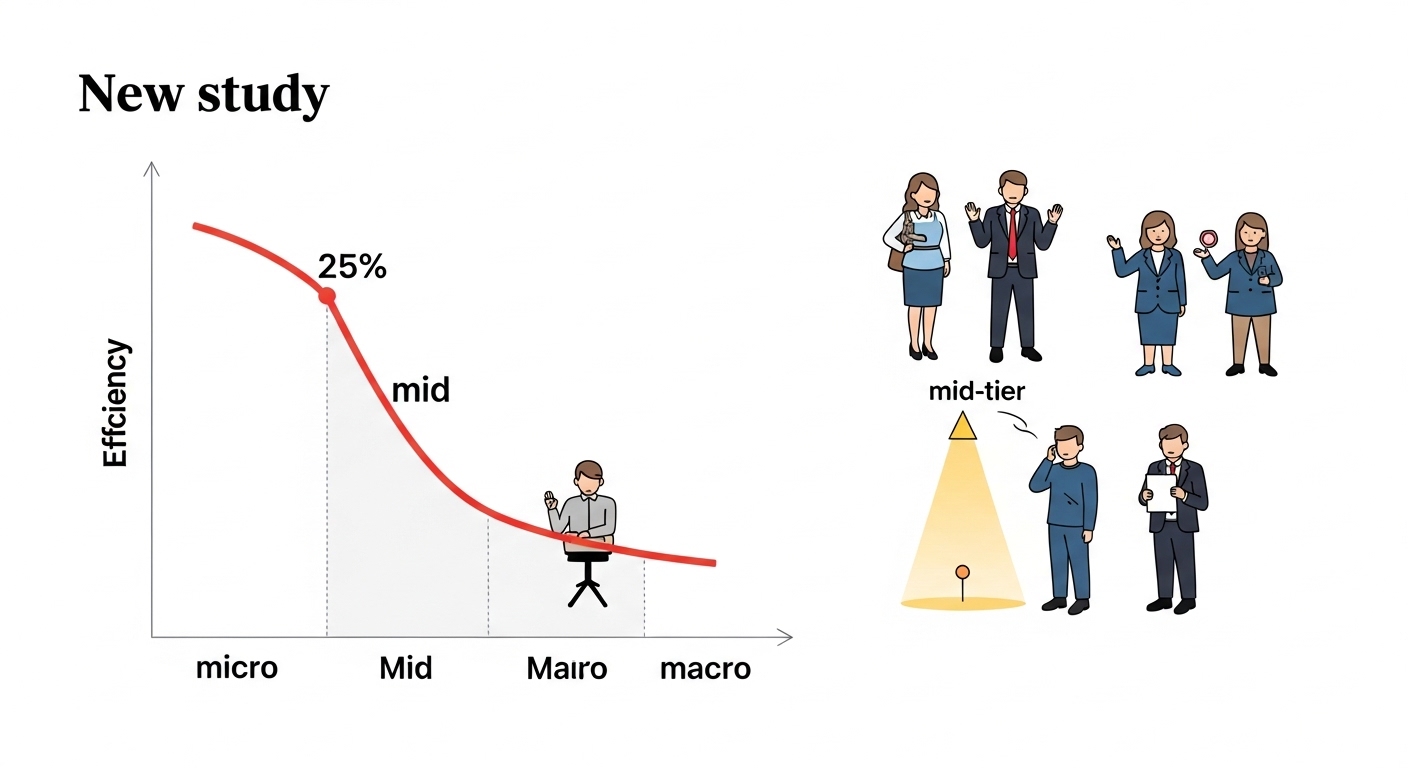
Analyzing approximately 5,000 Italian creator profiles and 865,000 posts, the report revealed that the compensation per post for prominent celebrity influencers has declined across all platforms for the third consecutive year: Facebook (-18.8%), Instagram (-9.5%), TikTok (-8.6%), and YouTube (-2.4%). In contrast, mid-tier creators (50,000-300,000 followers) and macro creators (300,000-1 million followers) have seen increased compensation on Instagram, TikTok, and YouTube, emerging as new drivers of market growth.
Shifting Brand Strategies and Weakening Celebrity Influence
The diminished influence of celebrity influencers is also evident in their follower numbers. Over the past year, 63.2% of celebrity accounts lost Instagram followers, while 76.7% of mid-tier creators and 68.5% of macro creators gained followers. DeRev CEO Roberto Esposito, in an interview with Il Sole 24 Ore, explained that brands have grown skeptical of celebrities who have a 'hyper-general' potential audience that is difficult to measure.
He noted that the 'Pandoro Gate' scandal involving Chiara Ferragni accelerated this shift, demonstrating the significant costs incurred when high-value partnerships are jeopardized by damaged creator credibility. This suggests brands are reacting more stringently to a loss of trust, not just a decline in followers. Indeed, mid-tier content boasts an engagement rate of 4.56%, three times higher than celebrity content, indicating brands' pursuit of higher engagement and measurable results.
Platform Trends and Strengthening Regulatory Measures
Examining platform-specific trends, Instagram remains the leading platform for influencer marketing, with post volumes increasing across almost all tiers except for celebrities. TikTok has seen its revenue stabilize after a sharp two-year decline, while YouTube maintains the highest per-post value among all platforms. On YouTube, short-form videos (Shorts) dominate in quantity, yet actual campaign spending continues to concentrate on longer-form content.
Meanwhile, transparency in disclosing sponsored content remains a challenge. DeRev's survey indicates that only 0.78% of posts on TikTok in Italy are disclosed as sponsored content, a significantly lower figure compared to Instagram's 4.46% and YouTube's long-form videos at 29%. With the application of Italy's AGCOM regulations and the ATECO classification for influencers, oversight of such disclosures is expected to intensify.
DeRev Report Credibility and New Market Opportunities
DeRev, the publisher of this report, is a digital strategy specialist. Its R&D division, DeRev Lab, conducts in-depth analyses of digital and social media trends, behaviors, and dynamics. DeRev Lab's research principles aim to understand the economics and conversational flows of the social media era, moving beyond big data to qualitative data analysis. Engaging with over two million community members, this expertise enhances the credibility of their reports and their grasp of market trends.
The top categories for influencer marketing investment are Fashion & Beauty (27%), Food & Beverage (18%), and Gaming & Technology, along with Travel & Lifestyle (each at 13.5%). The Business & Finance sector, despite its smaller overall investment share (3%), is emerging as a high-value niche market. This is due to the scarcity of qualified creators and the industry's sensitivity to reputation, leading to high unit costs. This trend suggests that the Italian influencer market is moving beyond quantitative growth to seek qualitative and strategic evolution.